

 Sign-In / Register


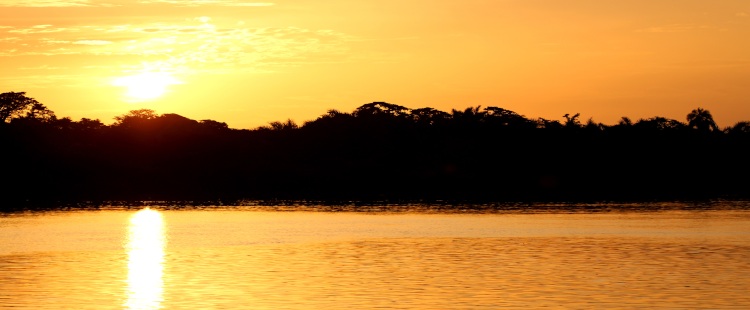
When it comes to moving home, especially if you’re looking to move overseas, there are a number of factors that buyers consider as a must have. Many people think about the location, property type and number of bedrooms as important in their search, but another key factor for some is the weather. When moving abroad, house hunters are often seeking sun, sea and sand. With a subtropical climate, The Gambia often appeals to those looking to buy property overseas. And with an array of things to do in Gambia, you’ll be provided with plenty of opportunities to get out and enjoy the weather.
Average Weather & Temperatures in The Gambia
With plenty of sunshine throughout the year, temperatures can typically see highs of between 29°C and 34°C. Gambia’s capital city, Banjul, will usually be an average of around 31°C/32°C.
With there being two noticeable different seasons in The Gambia, it’s usual to see that the difference between temperatures during the night and those during the day increases as the country dries out. The start of November can see nighttime temperatures see an average drop of 10°C below the daytime highs. By the time that the end of December comes around, the difference has increased to around 15°C. It will be during January that the temperate difference between day and night starts to decrease again.
March and April are historically the driest and sunniest months in the year. During these months, you can expect to see practically no rain at all. The end of May will be when you start to see the start of the rainfall. The amount of rain that falls will steadily increase, with August seeing around 500 mm of rain. Despite this, the average temperature during the day remains around 31°C/32°C. During this period, the warm temperatures and amount of rainfall can see the humidity start to rise. Afternoon breezes can help this stage to become more bearable, especially if you’re close to the coast.
The Different Seasons in Gambia
The Gambia is renowned for having two very different seasons. Despite the warm temperatures, a wet season hits this part of Africa from June till October. During these five months, Gambians tend to experience a mixture of sunshine and showers as well as varying humidity levels. August typically sees around 500 mm of rain. In most cases, rainfall happens during the night, so you’re still able to get out and enjoy the warm weather throughout the day. Even when the showers hit, they are generally short-lived. So, even if you do get caught out in the rain, you know that it shouldn’t be too long before the sun is shining once again. Because the land is fairly dry, any water is immediately soaked up, resulting in lush, green land that is able to play home to an assortment of wildlife. It’s because of this that this time of year is also referred to as The Green Season. Having been starved for so long, the plant life in The Gambia bursts into life as soon as the rains start to fall.
As October comes to an end and the rain begins to stop, the dry season comes into play. It lasts until June, with practically no rainfall being recorded during this time. The weather is reliably hot and sunny, though wind can blow over the Sahara and create hazy conditions. This, combined with a wind from the north, can cause fog to appear by the shore. Temperatures peak in March with 10 hours of sunshine a day.
The transition between the wet and dry season is said to be one of the best times to be in The Gambia. The warm daytime temperatures are perfectly complemented by the cooler evenings, giving you the best of both worlds.
Why the Weather is Like This
The climate and weather in Gambia are like this because of its location and topography. It lies on tropical latitudes and has a fairly low elevation, which suggests that it should receive the full amount of rainfall expected for a tropical region. However, when compared to areas of a similar latitude, Gambia is mainly flat land and does not have any areas of high relief. This means that humid weather systems are able to pass easily over the area without forming any precipitation. It’s the hillier areas that surround Gambia that attract more rain, which then end up flowing into the Gambia River. In general, it’s said that the weather in Gambia offers some of the most pleasant climate conditions and temperatures in the whole of Africa.
Will the Weather Draw You In?
Here at Blue Ocean Properties, we often have expats relocating to The Gambia and state that it’s the appealing weather and way of life that attracts them. If you’re thinking about moving to Gambia, please do not hesitate to get in touch and we can provide you with more details.