


 Sign-In / Register


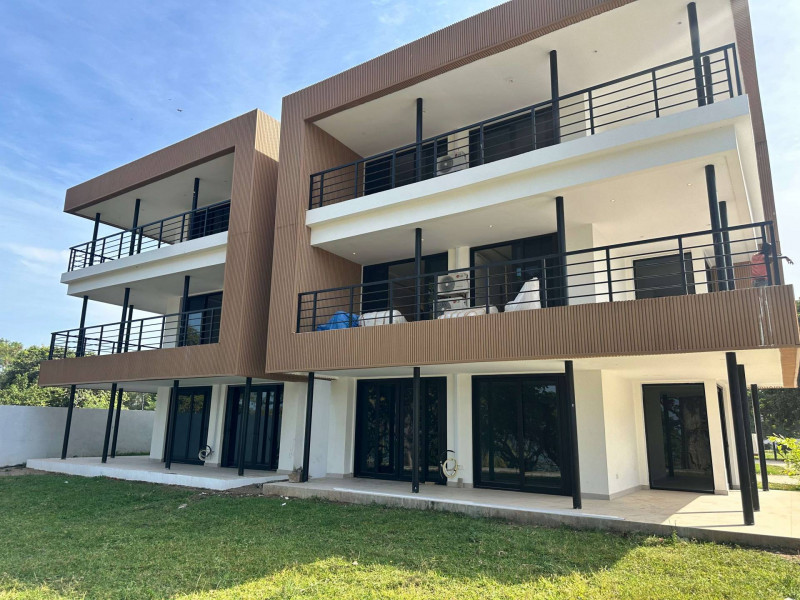
A property can look attractive at the advertised rent and still leave you with disappointing income once vacancies, maintenance and management costs arrive. Before buying a rental property in The Gambia, you need to understand what you could realistically keep each year, how much attention the property requires and who is likely to rent it.
Blue Ocean Properties’ portfolio provides useful starting points. Its listings include a two bedroom apartment at A3A Tanji Cliffs advertised at $14,700 per year and a four bedroom villa in Brufut advertised at $15,000 per year. Those similar rental figures do not mean the properties deliver similar returns. Purchase costs, furnishings, shared facilities and maintenance responsibilities can change the outcome substantially.
This guide explains how to compare gross and net rental returns, test occupancy assumptions and evaluate the costs that matter before committing your capital.

Understanding Rental Yields in The Gambia’s Property Market
Rental yield expresses annual rental income as a percentage of a property’s purchase price or total acquisition cost. Gross yield uses rent before expenses. Net yield accounts for the operating costs that reduce the income available to you.
The rental strategy matters as much as the property itself. Holiday accommodation for visitors requires a different operating model from an annual tenancy for a working professional or family. Each approach involves different occupancy patterns, servicing requirements and marketing costs.
Waterfront properties may attract higher rents, but purchase prices and running costs can also be higher. A shared pool, coastal exposure and furnished interiors all affect the annual budget.
For a specific reference, Blue Ocean’s A3A Tanji Cliffs listing advertises two bedrooms, two bathrooms and an annual asking rent of $14,700. Use this as a rental comparison, then obtain the purchase price and actual expenses for the property you are considering. An asking rent is not evidence of achieved income or occupancy.
Calculating Gross and Net Rental Returns
Start with gross yield: divide annual rent by the purchase price, then multiply by 100. A property purchased for $150,000 with potential annual rent of $15,000 has a gross yield of 10% before vacancies and expenses.
To calculate net yield, first reduce potential income for expected vacancies and unpaid rent. Subtract management fees, maintenance, insurance, owner paid utilities and other operating expenses. Divide the remaining income by the total acquisition cost, including legal fees, purchase charges and initial refurbishment.
Worked Rental Return Example
Assume a $150,000 purchase price, potential annual rent of $15,000 and a 20% allowance for vacancies. The annual calculation would be:
- Potential annual rent: $15,000.
- Vacancy allowance: $3,000.
- Rent after vacancies: $12,000.
- Management allowance: $2,250, calculated here as 15% of potential annual rent.
- Maintenance and repairs: $1,500.
- Insurance: $800.
- Utilities during vacant periods: $600.
- Annual income after these expenses: $6,850 before tax and finance costs.
Return on purchase price: $6,850 ÷ $150,000 × 100 = approximately 4.6%.
Including acquisition costs in the denominator reduces the yield further. These figures illustrate the calculation. Replace them with property specific quotations and confirm whether management fees apply to potential rent or rent actually collected.
If you use financing, calculate the effect of interest and repayments separately. Yield on the property and cash return on your own invested funds measure different things.
Gross Yield and Net Yield: Comparative Scenarios
The following examples show how operating costs can change the ranking of three investment profiles. These are illustrative budgets, not Blue Ocean property valuations, achieved returns or market averages. For consistency, management allowances are calculated on potential annual rent.
All amounts are in USD. Returns exclude tax, finance costs and acquisition expenses. On smaller screens, scroll horizontally to view the complete table.
| Property Type | Purchase Price | Potential Annual Rent | Gross Yield | Operating Costs and Vacancy Allowance | Annual Income After Costs | Yield After Costs |
|---|---|---|---|---|---|---|
| Beachfront Holiday Rental Two bedroom apartment, Bijilo | $120,000 | $15,000 | 12.5% | Management: $2,250 Maintenance: $1,800 Insurance: $900 Utilities: $1,200 Vacancy allowance at 30%: $4,500 Total impact: $10,650 | $4,350 | 3.6% |
| Urban Rental With an Annual Tenancy Three bedroom house, Kombo St Mary | $95,000 | $9,600 | 10.1% | Management: $960 Maintenance: $1,400 Insurance: $700 Utilities: $400 Vacancy allowance at 10%: $960 Total impact: $4,420 | $5,180 | 5.5% |
| Gated Community Residential Rental Three bedroom villa, Brufut | $145,000 | $12,000 | 8.3% | Management: $1,440 Maintenance: $1,600 Insurance: $850 Community fees: $1,800 Security and gardening: $900 Vacancy allowance at 15%: $1,800 Total impact: $8,390 | $3,610 | 2.5% |
The beachfront example starts with the highest gross yield, but vacancies and operating costs reduce its return to 3.6%. The urban house produces a stronger result under the assumptions shown because its lower vacancy allowance and expenses leave more income available.
The gated community example shows why service charges and maintenance responsibilities deserve close attention. Shared facilities can improve rental appeal while increasing the owner’s annual commitments.
Understanding returns is one evaluation pillar. Title verification, legal due diligence and transaction structure also matter. Review the properties available for rent in The Gambia to compare asking rents and property specifications, then obtain independent legal advice before buying.

Occupancy Rates and Seasonal Demand Patterns
A holiday rental budget should account for changes in demand throughout the year. Build separate monthly projections for the main visitor season and quieter periods instead of assuming the same occupancy and nightly rate every month.
For a sensitivity test, you could model 70% to 80% occupancy from November through April and 20% to 30% during the remaining months. These are planning assumptions rather than verified Gambian market averages. Actual performance depends on the property, pricing, marketing, guest reviews and availability.
Annual residential tenancies reduce exposure to holiday booking patterns, but they do not eliminate vacancy or payment risk. Allow for time between tenants, repairs after departure and potential rent collection problems.
The tenant market also determines the specification you need. Visiting families, overseas professionals and residents seeking a permanent home may prioritise different combinations of furnishings, security, parking and access to services.
Before accepting an occupancy forecast, request monthly booking records, achieved rents and a breakdown of owner use. Visit during a quieter period to assess access, drainage, maintenance and the surrounding area beyond the busiest visitor months.
Operating Costs: What Eats Into Your Returns
Utilities can materially affect a furnished rental’s performance, especially when rent includes electricity, water and air conditioning. Ask for actual bills and confirm which costs the tenant pays directly.
Property management agreements should specify the services included, the fee calculation and any separate charges for finding tenants, marketing, cleaning or arranging repairs. Model different fee levels, such as 10%, 15% and 20%, until you receive a written quotation.
Coastal maintenance requires particular attention. Salt exposure can affect metalwork, exterior finishes and equipment. Pools, gardens and air conditioning systems add recurring servicing requirements.
A maintenance percentage is useful for testing a budget, but the property’s condition should determine the allowance. A newly serviced apartment and an older villa needing roof work should not receive the same estimate simply because their purchase prices are similar.
Insurance, local property charges and development service fees belong in the operating budget too. Obtain quotations and written schedules rather than assuming that a neighbouring property has the same costs.

Blue Ocean’s Blue Ocean Apartments in Brufut listing advertises a two bedroom apartment at $12,000 per year. When comparing a property in a development with shared facilities, check how pool maintenance, grounds upkeep and other communal services are funded.
Operating Cost Checklist: Expenses Investors Forget
The following USD allowances can be used as initial budget scenarios. They are not supplier quotations or established local fee ranges. Replace each allowance with evidence for your shortlisted property.
- Community fees: Test an annual allowance of $1,500 to $3,000, then obtain the development’s actual service charge schedule and reserve fund details.
- Security: If separate security is required, test $1,200 to $2,400 annually and confirm the staffing and coverage included.
- Gardening: An illustrative allowance of $50 to $100 monthly equals $600 to $1,200 per year. Plot size and landscaping will change the requirement.
- Pest control: Test $200 to $400 annually, subject to inspection and treatment quotations.
- Safety checks: Allow for electrical, gas, pool and fire equipment checks where relevant. An initial allowance of $150 to $300 annually should be replaced with a property specific quotation.
- Currency conversion and transfers: Compare the cost of converting and transferring rent. Testing a 2% to 4% total cost shows how banking charges and exchange spreads could affect income.
- Replacement reserve: Test an annual reserve of 1% to 2% of property value, then refine it using the age and replacement cost of furniture, appliances and equipment.
Check for overlapping charges. If community fees already cover security and gardening, adding full separate allowances would overstate costs. Equally, a general maintenance allowance should not hide a known major repair.
The Holiday Rental or Annual Tenancy Decision
Holiday rentals offer flexible owner use and income from individual bookings. They also require guest communication, marketing, cleaning between stays and regular attention to presentation. Income depends on both the nightly rate and the number of nights actually sold.
Annual residential tenancies offer a more predictable payment schedule and fewer guest changeovers. However, the agreement still needs clear terms covering utilities, deposits, repairs, payment dates and responsibility for damage.
Some owners target visitors staying for three to six months. This can reduce turnover while retaining a furnished accommodation model, but availability gaps between bookings must still be included in the annual forecast.
Confirm that your intended use is permitted under the property’s ownership documents, development rules and applicable accommodation requirements. Ask a qualified local adviser to explain the obligations for the specific rental model.

Blue Ocean’s four bedroom villa in Brufut is advertised at $15,000 per year and marked as rented. It provides a comparison for space, specification and asking rent, rather than confirmation of achieved investment returns.
Location Analysis: Where Returns Vary
Choose a location around the tenant you want to attract. Beach access and proximity to restaurants may matter to holiday guests, while commuting routes, schools and everyday services may be more important to a household taking an annual tenancy.
Compare Bijilo, Brufut and Tanji at property level rather than treating the coastal market as one uniform investment area. Access roads, nearby construction, utility arrangements and the immediate surroundings can change rental appeal within the same neighbourhood.
Blue Ocean’s Bijilo Beachfront T1 listing offers another point of comparison: three bedrooms, four bathrooms and an advertised annual rent of $17,000. The listing is marked as rented, so use it to investigate positioning and specification rather than assume it is currently available.
For urban Kombo St Mary properties, assess access to employment centres and the practical needs of residents. A property that works well for a commuting tenant may require a different marketing approach from a coastal holiday apartment.
Inspect drainage, road access and the reliability of essential services. These affect the tenant experience and can create costs that a purchase price comparison does not reveal.

Property Types and Their Rental Economics
Apartments in managed developments can reduce the owner’s responsibility for external areas, but shared facilities introduce service charges and reliance on effective estate management. Review the annual budget, reserve fund and process for approving additional expenditure.
Villas and standalone houses offer privacy, outdoor space and flexibility for families. Their operating budgets may include gardens, perimeter maintenance, independent water systems and equipment that an apartment owner shares with other residents.
Blue Ocean’s Heritage Community listing describes three bedroom homes in a gated Brufut development with communal infrastructure and services. Before modelling returns, ask which services are included in the current charges and what the individual owner must maintain.
Properties sold before completion require a different cash flow forecast. Include the period before handover, furnishing costs and the time needed to secure the first tenant. Do not count rental income from a property that is not ready for occupation.
An established property with rent collection records offers a stronger starting point for analysis than a projection alone. Even then, check whether the previous owner’s results depended on personal contacts, discounted rent or unusually low maintenance spending.
Red Flags That Can Reduce Returns
Yield Promises Without Supporting Records
Ask how every advertised yield was calculated. A projection of 12% to 15% means little unless you know whether it is gross or net, which expenses are included and what occupancy it assumes. Request evidence for the inputs and test a less favourable scenario.
Unclear Ownership or Transfer Documentation
Have an independent Gambian lawyer verify the seller’s interest, the documents supporting ownership and any conditions affecting transfer or letting. Resolve discrepancies before paying a deposit or relying on future rental income.
Unfinished Infrastructure
Promised roads, utilities, security and communal facilities may influence the rent forecast. Inspect what is operational and identify who is responsible for completing and maintaining the remaining work.
Temporary Rental Guarantees
A guarantee lasting six or twelve months does not establish the property’s sustainable return. Review the guarantor, payment conditions and exclusions, then calculate performance after the guarantee ends.
Unclear Banking and Currency Arrangements
Confirm the rent payment currency, collection method and documentation your bank requires for transfers. Model exchange rate changes and transaction costs in the currency you use to measure your investment return.
Tax Considerations for Rental Income
Rental income from property in The Gambia can create local tax obligations. The Gambia Revenue Authority’s domestic tax guidance identifies rental income tax obligations for owners receiving income from Gambian properties.
Ask a local accountant to confirm the treatment of your ownership structure and intended rental use. The tax classification of residential letting and hospitality accommodation may differ. An operating profit calculation does not automatically establish the amount on which tax is payable.
Keep records of rent received, management statements, invoices and relevant banking transactions. Include the confirmed tax liability in your forecast before deciding whether the expected return meets your needs.
Your country of tax residence may also impose reporting or payment obligations. Obtain advice covering both jurisdictions and confirm whether any relief applies rather than assuming that paying tax locally settles every obligation.
Due Diligence: Protecting Your Investment Returns
Before buying, build a file that supports the income forecast and identifies the costs you will inherit.
- Commission an independent survey. Assess structure, roof condition, water ingress, electrical systems and coastal wear.
- Verify ownership and approvals. Have your lawyer review the title documents, permitted use and relevant construction approvals.
- Examine service charges. Request budgets, available accounts, reserve fund information and details of planned major works.
- Check rental evidence. Review tenancy agreements, booking records and rent collection statements where available.
- Separate asking rents from achieved rents. Compare similar properties by condition, furnishing, location and included services.
- Obtain written operating quotations. Confirm management, insurance, maintenance, security and utility responsibilities.
- Test a weaker year. Model lower rent, longer vacancies and a significant repair to assess the cash reserve required.

At developments such as Heritage Community in Brufut, review the costs and responsibilities associated with communal roads, lighting, security and shared facilities before finalising your rental budget.
Frequently Asked Questions
What is a good rental yield in The Gambia?
A suitable yield depends on the property, its risks and your investment objectives. Judge it using documented rent, realistic vacancies, operating expenses and the total acquisition cost. The illustrative scenarios above produce returns from 2.5% to 5.5% before tax and financing, but they do not establish a market average or guaranteed target.
How do I calculate net rental return?
Reduce potential annual rent for vacancies and collection losses, then deduct operating expenses. Divide the remaining annual income by the total acquisition cost and multiply by 100. Calculate the effect of tax and financing separately, and make clear which costs your quoted return includes.
What occupancy rate should I use for holiday rentals?
Use verified monthly records from comparable properties where possible. Separate seasonal demand, blocked dates and owner use. If reliable records are unavailable, test several occupancy scenarios rather than presenting one forecast as an established result.
Do I need a property manager?
If you live overseas, a local manager can handle enquiries, inspections, maintenance coordination and rent collection. Compare written proposals and confirm reporting arrangements, emergency authority, contractor charges and the basis for calculating fees.
Can Blue Ocean’s listings help me estimate rental income?
Yes. Listings such as A3A Tanji Cliffs, Blue Ocean Apartments in Brufut and Bijilo Beachfront T1 provide asking rent and specification comparisons. Ask the team about current availability, comparable achieved rents where available and the differences that affect your shortlisted property. A listing alone does not establish net yield.
Compare Rental Properties With Blue Ocean
Start with the property’s likely tenant, purchase cost and annual operating budget. Blue Ocean’s team can help you compare its rental listings and identify the questions to resolve before arranging viewings.
Explore the properties available for rent in The Gambia to compare locations, accommodation and advertised rents. Include your budget, preferred area and intended rental strategy when contacting the team so they can focus on relevant options.
To discuss your requirements, call (+220) 3972583 or email info@blueoceanproperties.net.
Contact Blue Ocean Properties
Phone: (+220) 3972583
Email: info@blueoceanproperties.net
Browse rental properties


