


 Sign-In / Register


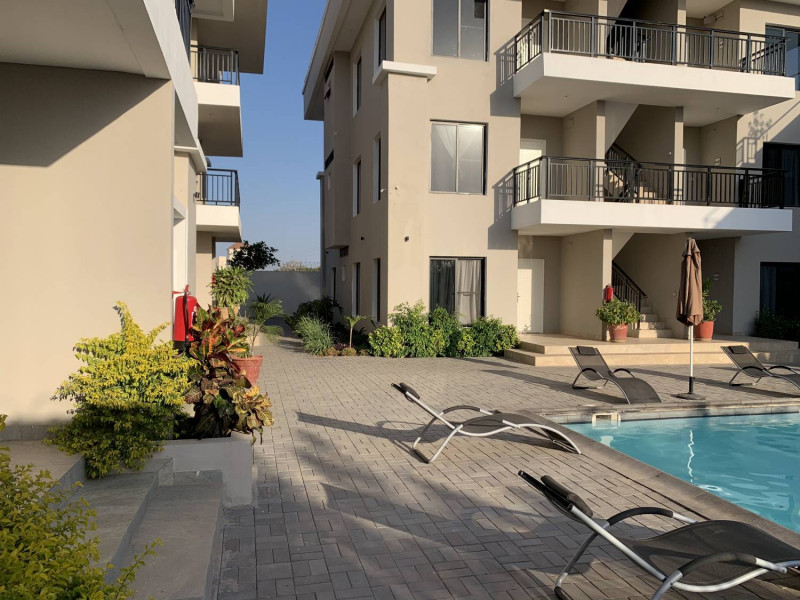
Buying a completed apartment in The Gambia offers immediate occupancy or rental income without construction delays. Whether you're relocating, investing for retirement or purchasing a holiday home, ready-to-move-in properties let you see exactly what you're getting.
But a finished apartment still demands thorough due diligence. This checklist walks you through the essential checks before you commit.

Why Buy a Ready-to-Move-In Apartment in The Gambia
Completed apartments eliminate the uncertainty of off-plan purchases. You can walk through the actual space, test the taps, open the windows and assess the neighbourhood at different times of day.
The Gambia's waterfront and urban Kombo St Mary districts offer a growing selection of modern apartments, many in gated communities with shared amenities. These properties appeal to diaspora buyers, retirees and investors seeking rental yields from tourists or long-term tenants.
A ready-to-move-in apartment means you start benefiting immediately, whether that's personal use during the dry season or rental income year-round.
Before You Visit: Document Verification
Start your due diligence before you book your viewing flight.
Title and Ownership
Request a copy of the land title or lease agreement. In The Gambia, freehold land is rare. Most residential properties sit on leasehold land with terms of 25, 50 or 99 years. Check how many years remain and whether the lease is renewable.
| Lease Term | Typical Property Type | Renewal Cost Range | Resale Implications |
|---|---|---|---|
| 25 years | Budget apartments, older developments | 15% to 25% of current land value | Difficult to sell with less than 10 years remaining; buyers struggle to secure mortgages |
| 50 years | Mid-range residential apartments | 20% to 30% of current land value | Marketability drops noticeably below 15 years; renewal negotiation essential |
| 99 years | Premium developments, new gated estates | 25% to 40% of current land value | Strong resale appeal above 70 years; treated near-freehold by most buyers |
Ask the seller or agent to confirm that the registered owner matches the person or entity selling the property. If the apartment is part of a strata title or condominium arrangement, request the master title and subdivision documents.
Planning and Building Approvals
Confirm that the development received all necessary planning permissions and building approvals from the relevant local authority. Unapproved structures can face demolition orders or legal complications when you try to resell.
Request copies of the approved site plan, building permit and occupancy certificate if one has been issued.
Encumbrances and Liens
Check whether the property has outstanding mortgages, liens or legal disputes. A lawyer can conduct a title search at the land registry to reveal any encumbrances that might block the transfer.
Physical Inspection Checklist
Never buy without a personal or professionally assisted inspection, even if you've seen glossy photos.
Seasonal Considerations for Inspections
Timing your viewing matters significantly in The Gambia's tropical climate. The rainy season runs from June through October, and properties that look immaculate in the dry season can reveal serious problems once the rains arrive.
Water ingress, poor drainage, roof leaks and flooding issues only become visible during heavy rainfall. If you view during the dry months of November through May, specifically request photos or video evidence taken during the previous rainy season showing the property, surrounding ground and any drainage systems during wet conditions. A seller reluctant to provide this documentation may be concealing seasonal problems.

Structure and Finishes
Walk every room. Look for cracks in walls or ceilings, signs of water damage, peeling paint or uneven floors. Open and close all doors and windows to check they fit properly and lock securely.
Test the plumbing in kitchens and bathrooms. Turn on taps and flush toilets. Check under sinks for leaks. In coastal areas, inspect metal fixtures for rust or corrosion from salt air.

Electrical Systems
Switch on lights in every room. Test plug sockets with a phone charger or lamp. Ask about the electrical panel location and whether the wiring meets current safety standards.
Power cuts are common in The Gambia, so check if the building has backup generators or solar panels. Ask who pays for generator fuel and maintenance if it's a shared system.
Windows, Balconies and External Spaces
Inspect window frames, especially aluminium or steel, for corrosion. Check that mosquito screens are intact.
If the apartment has a balcony or terrace, test the railing stability and look for waterproofing issues. Coastal properties face harsher weather, so pay extra attention to sealant around doors and windows.
Air Conditioning and Ventilation
If air conditioning is installed, turn on each unit and listen for unusual noises. Ask when the units were last serviced and whether filters have been replaced.
Good ventilation matters in The Gambia's humid climate. Check that bathrooms and kitchens have extractor fans or windows that open.
Utilities and Services
Confirm what's connected and what you'll need to arrange.
Water Supply
Ask whether the apartment connects to mains water, a borehole or a shared well. In urban areas, mains supply can be intermittent, so many buildings have storage tanks.
Check the water pressure and ask how often tanks are refilled. If the property relies on a borehole, ask about pump maintenance and who pays for repairs.
Electricity Connection
Confirm that the National Water and Electricity Company (NAWEC) meter is installed and registered. Ask to see recent utility bills to understand typical consumption and costs.
If the building has prepaid meters, ask how the system works and whether the seller will clear any outstanding balance before transfer.

Internet and Phone
Fibre and mobile broadband availability varies. Check what providers serve the area and whether the building is cabled for fibre. If you plan to work remotely or rent to digital nomads, reliable internet is essential.
Waste and Sanitation
Ask how rubbish collection works. Some gated communities include waste management in service charges, while standalone buildings rely on municipal collection or private contractors.
If the property has a septic tank rather than connection to a sewer system, ask when it was last emptied and who handles maintenance.
Community Rules and Management
If the apartment sits in a gated estate or managed building, understand the governance structure and ongoing obligations.
Homeowners' Association
Request a copy of the estate rules, by-laws and any homeowners' association constitution. These documents set out restrictions on renovations, noise, pet ownership and short-term rentals.
Ask whether the HOA is active, who the current committee members are, and how decisions are made.
Service Charges and What They Cover
Monthly or annual service charges vary considerably based on location and facilities. In managed Gambian apartment developments, typical charges range from GMD 75 to GMD 200 per square metre annually.
Premium gated communities with pools, gyms and 24-hour security sit at the higher end. Basic managed blocks with perimeter security and grounds maintenance fall toward the lower range.
Service charges should cover:
- 24-hour security personnel and gate access control
- Estate grounds maintenance, landscaping and street lighting
- Shared amenity upkeep including pools, gyms and communal areas
- Waste collection and external cleaning
- Generator fuel for communal backup power
- Building insurance for shared structures and common property
- Reserve fund contributions for major repairs
Ask to see the HOA's annual budget breakdown and recent financial statements. Well-managed estates maintain a reserve fund equal to at least six months of operating expenses for major repairs or emergency work. Poorly capitalised associations levy surprise special assessments when equipment fails or major maintenance becomes urgent.

Red Flags in Management Agreements
Review the management agreement carefully for these warning signs:
- Service charges that can increase by more than 10% annually without owner vote
- Management contracts longer than three years with no break clause
- Vague descriptions of what services are actually included
- No requirement for the HOA to provide annual audited accounts
- Management company holds sole signing authority over estate bank accounts
- No transparent process for owners to challenge or remove the managing agent
Verifying Financial Health
Request the HOA's bank statements for the past 12 months and minutes from recent general meetings. Healthy associations show consistent income from service charges, regular payments to suppliers and a growing reserve balance.
Immediate red flags include bounced cheques, unpaid security or maintenance contracts, multiple owners in arrears, or a reserve fund that has been raided to cover operating shortfalls.
Ask what percentage of owners are current on service charges. If more than 20% are in arrears, the estate faces cash flow problems that will affect service quality and may require special levies.
Check whether the property you're buying has outstanding service charge arrears. Some sale contracts leave this debt with the property, making it your liability after completion. Ensure your lawyer confirms all charges are settled before you pay.
Understanding Ongoing Costs
Budget for more than the purchase price.
Breakdown of Buyer Costs in 2026
Closing costs add substantially to your purchase budget. Here's what to expect on an apartment purchase:
| Expense Category | Rate / Range | Example: GMD 3,500,000 Apartment |
|---|---|---|
| Stamp Duty | 3% of purchase price | GMD 105,000 |
| Legal Fees | 1.5% to 2% of purchase price | GMD 52,500 to 70,000 |
| Land Registry Search | Fixed fee GMD 2,500 to 5,000 | GMD 3,500 |
| Property Survey | GMD 25,000 to 50,000 depending on complexity | GMD 35,000 |
| Title Transfer Registration | GMD 5,000 to 10,000 | GMD 7,500 |
| Total Closing Costs | Approximately 5.5% to 6.5% | GMD 203,500 to 221,000 |
Additional costs may include mortgage arrangement fees if you're financing the purchase, foreign exchange charges on international transfers, and valuation fees required by lenders.
Annual Property Tax
The Gambia charges property rates based on land size and location. Ask the seller for recent tax receipts and confirm the assessed value with the local council.
Insurance
Building insurance is advisable, especially in coastal zones exposed to storms. If you plan to rent the property, landlord insurance can cover loss of rent and tenant damage.
Get quotes from local insurers before you commit.
Maintenance and Repairs
Even a new apartment will need occasional repairs. Set aside a contingency for air conditioning servicing, plumbing fixes and repainting.
If the property has a pool, generator or lift, maintenance costs rise significantly.
Management Fees for Rentals
If you're buying as an investment and plan to use a property manager, expect to pay 10% to 15% of gross rental income plus letting fees for finding tenants.

Legal and Financial Due Diligence
Engage a Gambian lawyer experienced in property transactions. Legal fees typically run 1.5% to 2% of the purchase price, but professional advice prevents costly mistakes.
Your lawyer should review the sale agreement, conduct the title search, handle stamp duty registration and ensure the transfer is properly recorded.
If you're bringing funds from overseas, confirm the exchange rate and transfer process. The Gambia uses the dalasi, and currency controls can affect large transactions. Plan for bank transfer delays and keep records for tax purposes in your home country.
Tax Implications
Non-residents may face withholding tax on sale proceeds when they eventually sell. Rental income is taxable in The Gambia. Consult a tax advisor familiar with Gambian property tax and any double-taxation treaties between The Gambia and your country of residence.
Red Flags to Walk Away From
Some issues should stop your purchase immediately, regardless of price or location:
Undisclosed Structural Damage: Major cracks in load-bearing walls, sagging floors, visible foundation movement or evidence of structural repairs that weren't mentioned by the seller indicate serious problems that will cost far more than any purchase discount.
Missing Occupancy Certificate: An apartment without a certificate of occupancy may not be legally habitable. This document confirms the building meets safety standards and has received final inspections. Without it, you may face difficulties getting utilities connected, securing insurance or obtaining financing.
Seller Cannot Produce Original Title: If the seller cannot provide the original land title or lease document, or if the name on the title doesn't match the seller's identity, the transaction cannot proceed legally. This often signals ownership disputes or fraudulent attempts.
Active Legal Disputes on the Property: Court cases involving boundary disputes, unpaid contractor claims, HOA lawsuits or ownership challenges mean you'll inherit the legal battle. Ask your lawyer to check court records before you proceed.
Service Charge Arrears Exceeding 12 Months: A seller who hasn't paid estate charges for over a year signals either financial distress or serious disputes with estate management. You may inherit this debt, and the HOA can place liens on the property or restrict your access to facilities.
Evidence of Illegal Subdivisions or Alterations: Walls removed without structural approval, unauthorised extensions, or apartments illegally split into smaller units create liability. Local authorities can order costly remediation or even demolition of unapproved work.
Making Your Offer
Once you've completed your checks and the property meets your requirements, work with your lawyer to submit a formal offer. The Gambian property market doesn't use binding offers until contracts are exchanged, so be prepared for negotiation.
Include conditions in your offer that protect you: satisfactory completion of title searches, verification that all planning permissions are in order, and confirmation that service charges are current.
Ready to find your ideal apartment in The Gambia? Browse all available apartments for sale and start your property search with verified listings across prime locations.
Frequently Asked Questions
Can foreigners buy freehold apartments in The Gambia?
Foreigners can buy property in The Gambia, but true freehold land ownership is restricted to Gambian citizens under the constitution. Non-citizens typically purchase leasehold interests, most commonly 50 or 99-year leases. These long leases function similarly to ownership for practical purposes and can be bought, sold and inherited like freehold property in other jurisdictions.
What happens when my apartment lease expires?
When a lease approaches expiry, you can typically apply to renew it by paying a renewal premium to the freeholder, usually calculated as a percentage of the land's current market value. If renewal is refused or you don't renew, ownership of the improvements reverts to the freeholder. Start renewal negotiations at least two years before expiry, as properties with very short remaining terms become difficult to sell or mortgage.
How long does title transfer take in The Gambia?
Title transfer from acceptance of offer to registered ownership typically takes two to four months if all documentation is in order. Delays occur when title searches reveal issues, when sellers cannot produce required documents, or during periods of backlog at the lands registry. Using an experienced property lawyer speeds the process considerably.
Do I need to hire a Gambian lawyer for my apartment purchase?
Yes, engaging a Gambian lawyer who specialises in conveyancing is essential. They conduct title searches, verify planning permissions, review contracts, handle stamp duty payments and ensure proper registration of your ownership. Attempting to navigate the process without qualified legal representation risks costly errors, invalid transfers or fraud.
What's a realistic timeline from accepted offer to receiving keys?
Expect three to four months for a straightforward purchase of a ready-to-move-in apartment. This includes two to three weeks for initial title searches and document review, four to six weeks for contract negotiation and exchange, two to four weeks for final payments and stamp duty processing, and two to three weeks for registration and key handover. Complex transactions involving mortgage financing, estate approvals or title issues can extend to six months.
Find Your Ready-to-Move-In Apartment in The Gambia
Buying a completed apartment requires careful attention to ownership documents, building condition, utilities, management arrangements and ongoing costs. Taking the time to complete these checks can help you avoid unexpected expenses and make a more informed property decision.
Blue Ocean Properties can help you explore available apartments and residential properties across The Gambia. Whether you're looking for a waterfront apartment, a managed development or a property for personal use or rental, you can discuss your requirements with the team.
Browse all available apartments for sale in The Gambia
For assistance with your property search or to arrange a viewing, contact Blue Ocean Properties:
Phone: (+220) 3972583
Email: info@blueoceanproperties.net
Website: www.blueocean.gm


