

 Sign-In / Register


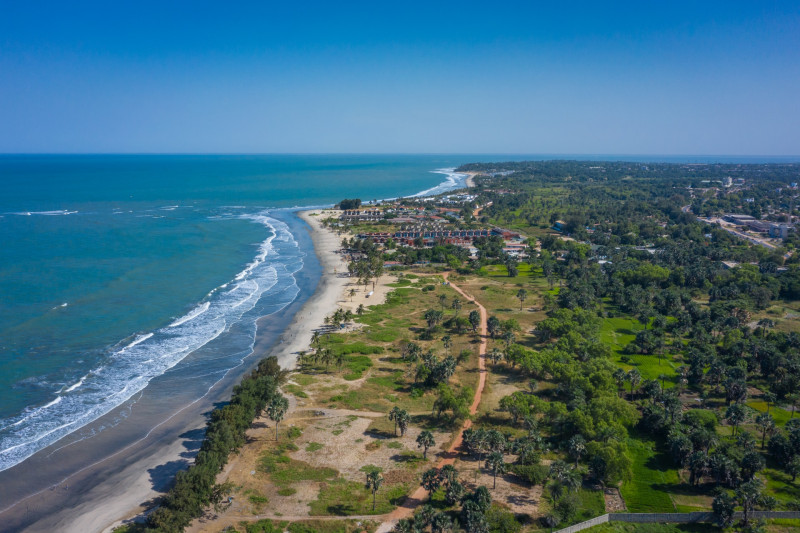
How to Buy Land in The Gambia (Step-by-Step Guide for Foreign Buyers)
Buying land in The Gambia is not difficult.
But I will tell you something most websites will not say clearly.
It is extremely easy to lose money here if you rush the process or trust the wrong person.
After more than 10 years working in this market, I have seen the same situation repeat itself. Buyers do not usually lose money because The Gambia is unsafe. They lose money because they assume ownership is straightforward when it is not.
In reality, one plot of land can involve multiple family claims, incomplete documentation, or informal agreements that were never fully regularised. On paper, everything can look fine. In practice, it can be very different.
This is why experienced buyers slow everything down.
At Blue Ocean Properties, we see this every week. The buyers who succeed are not the fastest. They are the most careful.
This guide explains exactly how buying land in The Gambia works in real life, step by step, based on how transactions actually get completed on the ground.
Quick Summary (What You Must Know Before Buying)
- Foreigners can legally buy land in The Gambia
- Most ownership is leasehold, not freehold
- Legal verification must come before payment
- Documents alone do not confirm ownership
- Seller identity must always be independently verified
- Land title searches are essential, not optional
- Boundary surveys prevent future disputes
- Cheap land often carries hidden legal complexity
- Registration is what finalises ownership
- The safest deals are always fully documented and verified
Why Buying Land in The Gambia Confuses Many Foreign Buyers
The main issue is expectation mismatch.
Many buyers arrive expecting a system similar to the UK or Europe where land ownership is centralised, fully digitised, and easy to verify in one step.
That is not how it works here.
In The Gambia, ownership records can be layered, historical, and sometimes split between family members or local arrangements. This does not mean the market is unsafe. It means verification matters more than assumption.
Most problems happen when buyers trust appearance instead of evidence.
Until legal checks are complete, no land should be treated as secure.
Can Foreigners Buy Land in The Gambia
Yes, foreigners can legally buy land in The Gambia.
Most transactions are structured through leasehold agreements rather than freehold ownership. This is standard practice and widely used across coastal and developing areas.
The important point is not the terminology. It is the legal strength behind the structure.
A properly documented leasehold in a strong location is often more secure than poorly documented ownership claims that appear more attractive at first glance.
What actually matters is:
- Verified ownership history
- No disputes or competing claims
- Correctly registered documentation
- Clear and legal boundaries
- Accessible and usable location
- Long term development potential
Coastal areas such as Brufut, Bijilo, Tanji and parts of Kololi remain the most active due to infrastructure development and foreign buyer demand.
Step 1: Choose Location Based on Purpose, Not Emotion
Most expensive mistakes happen at the beginning.
Buyers often choose land based on price or appearance rather than purpose. That is the wrong approach.
Before anything else, you must be clear on why you are buying.
Some buyers want retirement homes. Others want rental income or long term investment growth. Each purpose changes the correct location strategy.
Brufut and Bijilo are generally stronger for established demand and infrastructure stability. Tanji offers better entry pricing but requires stronger due diligence. Inland areas can offer value but often come with slower resale liquidity.
Cheap land is not automatically good land.
Step 2: Verify the Seller Before Anything Else
This is where many deals quietly fail before they even begin.
A seller having documents does not prove ownership.
You must confirm:
- Legal owner identity
- Family or joint ownership rights
- Previous sale attempts or informal transfers
- Existing disputes or claims
- Government or authority restrictions
- Authority to legally sell
If a seller avoids verification or tries to rush you, that is a serious warning sign.
At Blue Ocean Properties, we never progress a deal without proper seller verification because this is where most risk exists.
Step 3: Conduct a Full Land Title Search
A land title search is non negotiable.
This confirms:
- Registered ownership
- Legal status of the land
- Existing claims or disputes
- Accuracy of size and records
- Official recognition of the plot
If this step is skipped, you are not buying safely. You are taking a risk.
A legitimate seller expects verification. A risky deal tries to avoid it.
Step 4: Use an Independent Property Lawyer
This is one of the most important protections in the entire process.
You should never use a lawyer connected to the seller or transaction.
A proper independent lawyer will:
- Verify all ownership documents
- Conduct legal due diligence
- Draft and review contracts
- Identify hidden risks
- Oversee transfer and registration
- Explain legal implications clearly
This is not an area to reduce cost. It is the foundation of safety.
Step 5: Confirm Survey and Boundaries
Boundary issues are far more common than most foreign buyers expect.
Never rely on fences or verbal descriptions.
A professional survey confirms:
- Exact land size
- Legal boundary lines
- Access routes
- Encroachments or overlaps
- Alignment with official records
Many disputes in this market happen after purchase because boundaries were never properly confirmed.
This step prevents that entirely.
Step 6: Formal Sale Agreement
Once checks are complete, everything must be formalised in writing.
A proper sale agreement includes:
- Purchase price
- Payment structure
- Land description
- Legal responsibilities
- Completion conditions
- Transfer obligations
At this point, clarity replaces uncertainty. Nothing should remain verbal.
Step 7: Registration Is What Finalises Ownership
This is where many buyers misunderstand the process.
Payment does not equal ownership.
Registration is what legally completes the transaction.
Without registration, ownership is not fully secured even if money has been paid.
Proper registration ensures:
- Legal recognition
- Protection from disputes
- Government record accuracy
- Secure transfer of rights
Skipping this step is one of the most serious mistakes foreign buyers make.

Common Mistakes Foreign Buyers Keep Making
The same issues repeat again and again.
Buying based on price alone is one of the biggest mistakes. If land is significantly cheaper than surrounding plots, there is usually a reason.
Skipping legal checks is another major risk.
Paying deposits too early is also common, especially for overseas buyers who feel pressure to secure land quickly.
Ignoring infrastructure such as roads, utilities and access can significantly reduce long term value.
Finally, assuming documents are valid without verification is a critical mistake in emerging markets.
Market Reality in The Gambia Right Now
The Gambia continues to attract strong foreign interest, particularly from UK, European and diaspora buyers.
Coastal regions remain the strongest performing areas due to lifestyle appeal and long term development potential. Demand remains steady for residential land, retirement builds and investment plots.
However, pricing is highly inconsistent depending on documentation strength and location quality.
The safest land is not the cheapest land. It is the most verified land.
Why Work With Blue Ocean Properties
Blue Ocean Properties supports buyers throughout the entire land acquisition process in The Gambia.
We focus heavily on verification before anything else. If a property is not safe, we do not recommend it.
Our role is not to push sales. It is to reduce risk and guide buyers through real market conditions.
We help with:
- Verified land sourcing
- Seller and document checks
- Legal coordination support
- Local market guidance
- Investment and location advice
- End to end transaction support
If you are considering buying land in The Gambia, the most important step is not browsing listings. It is understanding what is legally safe to buy.
Frequently Asked Questions
Can foreigners buy land in The Gambia?
Yes. Foreigners can legally buy land, usually through leasehold structures that are recognised locally.
Is buying land in The Gambia safe?
It is safe when proper legal checks are completed. Most risk comes from lack of verification.
What is the biggest risk when buying land?
Unverified or disputed ownership is the biggest risk.
Do I need a lawyer?
Yes. Independent legal support is strongly recommended in every transaction.
Which areas are most popular?
Brufut, Bijilo, Tanji and Kololi remain the most in demand due to infrastructure and coastal access.
Final Thoughts
Buying land in The Gambia can be a strong long term decision, but only when handled properly.
This is not a market for assumptions or rushed decisions. It rewards buyers who take time, verify everything, and work with experienced professionals who understand how transactions really work on the ground.
If you approach it correctly, it is a market with real opportunity.
If you rush it, it can become expensive very quickly.