

 Sign-In / Register


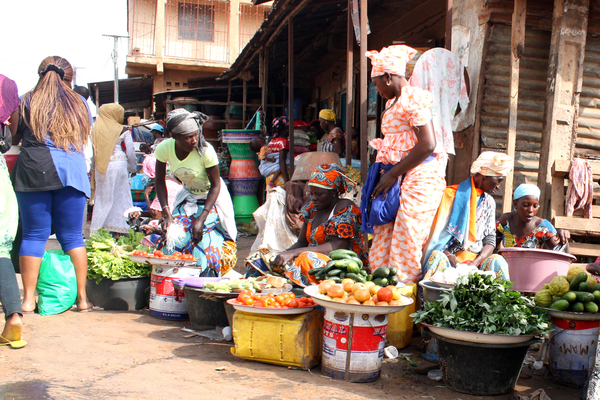
Navigating around your local town or city will be easy for you, but in The Gambia, it may be a bit more challenging. Making sure you understand how to travel around and pay for your food is a little different to life in the UK or US. Also understanding the currency and how much things cost within The Gambia is essential. This will help you integrate easier and not be on the receiving side of some gamesmanship. If you want to find out how much everyday items cost, take a look at our cost of living guide to find out more about how much living in Gambia costs.
In this article we will discuss whether you should take a credit and debit card, information about the currency, tipping and bargaining as well as transportation and tipping.
Debit and Credit Cards
Money makes the world go round and it’s no different in Gambia. The country remains primarily a cash-based economy. An increasing number of car rentals, bars and restaurants will accept Visa debit cards but very few will accept credit cards. Mastercard is generally not accepted. Visa cards can be a handy way of getting money from some ATMs such as those belonging to Standard Bank which has a branch on the Senegambia Strip in Kololi.
So, when living in Gambia it is recommended you have a debit card but not for everyday use, it is very much a hard-cash country.
Currency
The dalasi (GMD) is the official currency of The Gambia, first introduced in 1971. It is subdivided into 100 bututs. The dalasi replaced the Gambian pound at a fixed rate of 1 pound = 5 dalasis, meaning 1 dalasi = 0.2 pound, or 4 shillings under the former system. As of 2025, the banknotes currently in circulation include denominations of 5, 10, 20, 25, 50, 100 and 200 dalasis. While the smaller butut coins still exist, they are rarely used in everyday transactions due to inflation and changing prices. The dalasi remains a stable local currency, with exchange rates fluctuating moderately against foreign currencies such as the British pound, euro, and US dollar. Exchange rates do fluctuate quite frequently, therefore it is important to keep in mind that if you are to exchange a large sum of money one week, the value could drop or rise in a few months time.
Bargaining & Tipping
Bargaining is expected in markets. Most vendors will quote a much inflated starting price, anticipating buyers will negotiate before committing. There’s no real rule of thumb – some say start at one-third of the asking price and negotiate your way up.
Restaurant tipping isn’t expected at smaller local restaurants; at more touristic places, a 10% tip is fairly common.
Guides at many reserves and parks, guides will be available – sometimes even included in the admission price. Regardless, it’s always polite to tip the guide. Tipping in Gambia is not as deep-rooted in culture compared to the US but when you’re out for a meal a small tip won’t hurt!
Transportation and Driving Costs
If you plan to buy a car in Gambia there are places to do so. A lot of the prices of buying a car is negotiable, keep that in mind when attempting to buy one. You can also ship your vehicle to Gambia and use it there if you already own a personal vehicle. Overall, car hire is not recommended compared to public transport, taxi’s and walking.
Driving is often quite difficult and very slow, the roads to the city centre, resorts and airports are pretty safe and well-built. However, elsewhere are pretty much pot-hole roads and unpaved areas. Although locals are used to this, many people who have never experienced this before are put off and would rather use other services.
There is no railway and the only public transport are taxis which cover the main routes and some bush roads, but do not run to a schedule. They are cheap and very overcrowded but are a great way of taking in the full Gambia experience.
Taxi services come in two forms, ‘Bush Taxis’ and ‘Private Taxis’ apart from the private taxis, shared taxis are the only form of public transport between towns and villages. Private taxis fees should be agreed in advance and they can be found via the yellow and green stripes painted upon the vehicles.
Over recent years Gambia has seen reintroduction of a public bus service with routes operating in the greater Banjul region, from Banjul, Brikama and Kartong. The service will expand with the development of new roads.
Blue Ocean Gambia Can Help You Find Your Dream Property
Find your perfect Gambia property with Blue Ocean Properties. No matter the kind of home you’re looking for, we have a fantastic range of houses for sale in Gambia. We have a great selection, allowing you to find one that suits your needs as well as your budget. Popular places to invest in Gambia include areas such as Brufut and Bijilo, with the whole country offering up some truly breathtaking properties.
Whether you’re looking for something traditional or modern, we have plenty of Gambia Property. If you need help finding your perfect rental, get in touch with our dedicated team of real estate experts. If you’re looking for something a little more flexible, why not rent a property in The Gambia instead? For help finding a property in The Gambia, get in touch with our dedicated team of experts. Contact us here: (+220) 3972583